
General Information
Bats, while extremely ecologically beneficial (they are insectivorous, important pollinators, and are a food source for large raptors), bats can become a nuisance and a human health threat when pressed out of their natural habitats and into closer contact with humans/into roosting in man-made structures. Bats hibernate during colder months and, while they often do so in caves, rock crevices and tree cavities, they will also hibernate in human-built structures, preferably those which hold to temperatures between 32-41 degrees Fahrenheit. If able, they will return to the same roosts every year.
Always work with a specialist when dealing with bats for two important reasons: 1) because of regulations: most species are protected, and 2) because of human health and safety concerns. Bats can carry and transmit disease and ectoparasites, such as rabies and histoplasmosis (spread via bat guano).
Bats are most likely protected in your locality and it is probably illegal to kill bats in your area. Even the timing and process of removal is likely regulated. If bats are encountered with white nose syndrome during inspection, that should be reported to the proper authorities before removal, in case they want to retrieve specimens and/or track cases. Many species are federally and/or locally protected. Be sure to work with the appropriate pest or wildlife removal company to ensure that you follow legal guidelines in dealing with vertebrate pests.
Identification
There are many bat species in North America, many of them legally protected. One of the most common varieties is the Big Brown Bat, which is found in virtually every American habitat. Big brown bats weigh between ½ and ¾ of an ounce with wingspans from 13 to 16 inches. Their fur is longish and somewhat oily and brown, while their broad snouts, short ears, and wing membranes are black.
Bat Parasites
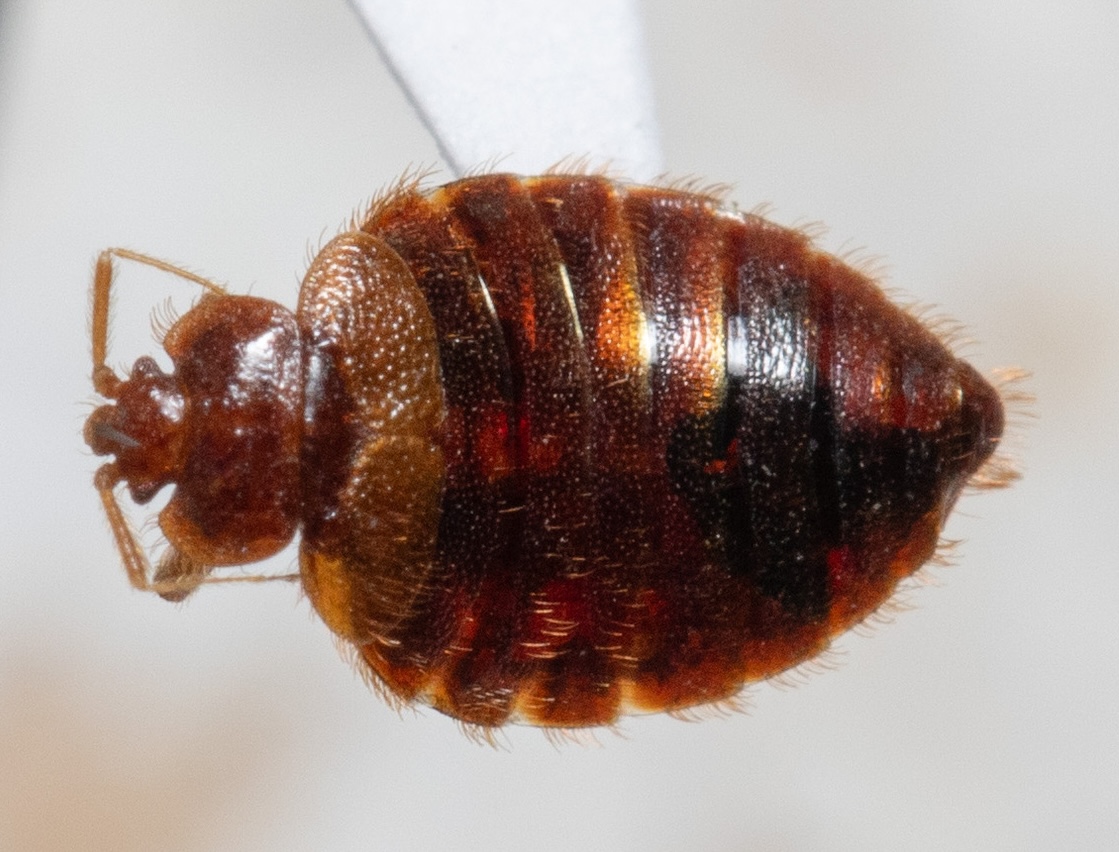
Bats can carry parasites including bat ticks, bat-biting mites, and bat bugs, which look very similar to bed bugs. If you believe that you have encountered “bed bugs” but have recently observed bat activity, an accurate identification requires ruling out bats/bat bugs. This evaluation can save time and money spent on recurring “bed bug” treatments when in fact the problem-causing pests are bat bugs). If you have conducted removal and exclusion for bats, monitor for bat bugs once work is completed. Bat bugs can travel in search of new hosts after bats are removed.
Signs of Infestation
- Bat guano (droppings) in or around buildings/attics
- Oily stains around eaves, cornices, shutters, gutters, rafters, and other elevated architectural features
- Witnessing bats flying to/from buildings or bats inside buildings
- Strong pungent odor (bat urine smells like ammonia)
- Urine stains on the ceilings
- Dead bats in or around the property
- Domestic animal presents a bat
Control and Treatment
Bat removal is always a job for professional pest control operators – try to find one who specializes in bats and understands pertinent bat-related regulations. While removal can be costly, there is one fairly simple thing that you can undertake on your own: observation. If you can undertake an evening “stake out” and observe from where bats are entering/exiting a building, then alert your pest professionals to the locations of bat activity, you save having them perform this step. If you can not identify the sources of the bat activity, the pest professionals should be able to – sometimes even using camera systems to detect breaches.
Exclusion is the main control tool used in bat management.
The most common and straightforward way to exclude bats is using a one way device. This is usually achieved through the use of a custom fitted, semi-rigid wire mesh that allows bats to squeeze out to exit the structure, but restricts access and confuses them when they try to re-enter.
There are specific periods during the year, generally during gestational and rearing periods, when bat exclusion is NOT permitted at all. Your removal specialist should know and abide by these legal restrictions. Rare exceptions may be made for health reasons and usually require approval from a government agency.
Contracting a pest control professional to erect bat-specific artificial roosts (bat boxes) is another good option for keeping bats out of homes and buildings. Installing bat boxes near homes and buildings, in addition to providing bats with a better roosting space, encourages natural insect control and bats’ pollination activities. Make sure that they are properly installed (at the right height: 10-20 feet above ground, and in the right places: where they get approx. 7 hours/day of sunlight, etc).
Food Sources
Bats like to eat beetles, moths, mosquitoes, and more.